


In short
- Working from a room that also has to function as your bedroom or lounge removes the physical cue that tells your body the day is over, which is a big part of why you end up stiff and wired by early evening.
- Stretching and standing desks help the posture problem but do nothing for the part of your brain that cannot find the "off" switch.
- A wearable neck and shoulder massager with heat works because it is hands-free: you can run it while you finish an email, which means it actually gets used instead of becoming another good intention left in a drawer.
- The Breo N5 Mini runs on a 2500mAh battery rated for about a week of daily ten-minute sessions, so it is genuinely low-maintenance rather than one more gadget to remember to charge every night.
- Check build quality, how it sits under your own collar, and whether the cover is washable before you buy anything that sits against your skin for ten minutes a day.
The problem: finishing the day stiff, wired and unable to switch off
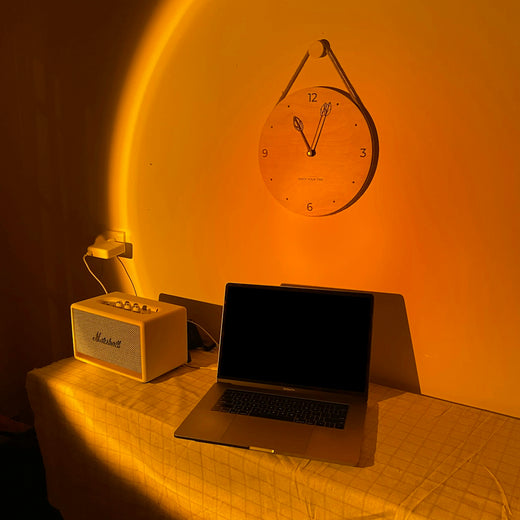
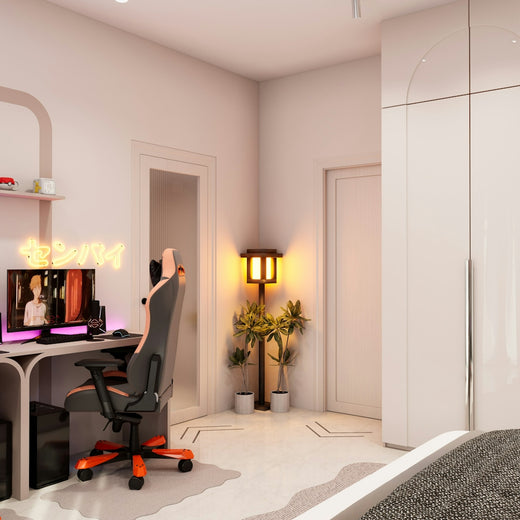
I worked from a desk jammed into the corner of my bedroom for the better part of two years, and the thing nobody tells you about that arrangement is not the lack of space. It is the lack of a door. In an office, you leave. You walk to a bus stop, or at the very least to a different floor, and your body gets the memo that work has ended. At home, when your desk is six feet from where you sleep, there is no door to walk through. You just stop typing and sit there, still half in work mode, shoulders somewhere up near your ears.
By six or seven in the evening most days, my neck felt like a coat hanger and my shoulders had quietly migrated upward without my permission. I would notice it properly only when I tried to turn my head to talk to someone, and it would not turn very far. That is not a dramatic injury. It is just the slow, unglamorous cost of sitting tensed in front of a screen in the same room you are supposed to relax in, with no clear line between the two.
Why the usual fixes fall short
The standard advice is all reasonable and all, on its own, not quite enough. Stand up and stretch every hour, people say, and they are right, but stretching for ninety seconds does not undo eight hours of hunching, and remembering to do it on a day with back-to-back calls is its own task. A proper ergonomic chair helps your spine and does nothing for the tight band of muscle across your shoulders that builds from stress rather than posture alone. A hot water bottle against your neck works, briefly, right up until it cools down or you need both hands back for the keyboard.
The honest problem is that most fixes either need you to stop working to do them, or they only address one half of the issue. Posture tools fix posture. They do not touch the part where your body has been quietly tensing for hours because you never left the room.

How the Breo N5 Mini actually helps
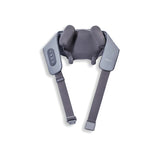
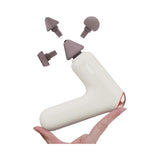
What changed things for me was not a new piece of furniture. It was something I could wear while I kept working, which sounds like a small distinction and turns out to be the entire point. The Breo N5 Mini Neck and Shoulder Massager sits around your neck and shoulders like a backpack strap and uses six shiatsu heads to knead the muscle across your trapezius while a gentle heat setting runs underneath. You switch it on, adjust the strap, and keep typing. Nothing about your workday has to pause for it.
That hands-free design is the whole reason it gets used rather than abandoned after a week, which is the usual fate of wellness gadgets that demand your full attention. The heat is the part that surprised me most. It is not aggressive, it is closer to resting a warm palm against tight muscle, and it is the difference between a massage that feels like pressure and one that actually relaxes the area it is working on. There are two modes, a deeper tissue setting and a gentler smoothing one, so you can match the intensity to how wound up you actually are that day rather than one fixed setting trying to do everything.
The honest problem is that most fixes either need you to stop working to do them, or they only address one half of the issue.
Who it is for and when to use it
This is built for the specific shape of home working, not working in general. Full-time home workers whose desk has been there long enough to become permanent. Hybrid workers whose "office" is a corner they only half set up because it felt temporary. Anyone whose desk shares a room they are also meant to switch off in, where there is no physical boundary between the two states. If any of that is your actual setup rather than a nice idea on a Pinterest board, the gap it closes is real.
The best moments to reach for it are the ones that already exist in your day rather than ones you have to invent. The last twenty minutes before you log off, while you are tidying up loose emails. The gap between two calls when standing up and leaving the room is not really an option. The point in the afternoon when you notice your shoulders have crept up again. You can see the full specification and current stock on the <a href="https://aetheo.co.uk/products/breo-n5-mini-neck-massager-shiatsu-wearable-wiresless-shoulder-massager-at-home-office-for-muscle">Breo N5 Mini product page</a>, where it is worth a proper look before you decide.
What to check before buying
Anything that sits against your neck for ten minutes at a time needs to actually fit you, so look past the marketing photos and check the real build quality: how the straps adjust, whether the heads feel like they will hold their motion after daily use rather than wearing loose, and whether the cover is removable and washable, because it will be touching your skin and your collar every day. Compare that against a cheaper generic version before you buy on price alone. A budget massager can look near-identical in photos while feeling noticeably less controlled once it is actually working against your shoulder, and that is usually where the gap between products shows up, not on the spec sheet.
Frequently asked questions
What problem does the Breo N5 Mini actually solve?
It gives you a way to ease the stiffness and tension that builds up from a working day without stepping away from your desk, because it runs hands-free while you keep working. It is aimed squarely at people whose home office never really gets switched off from, rather than being a general nice-to-have.
Who is the Breo N5 Mini for?
It suits full-time home workers, hybrid workers with a corner desk, people working from a small flat, and anyone whose desk shares a room they also relax in. If that is your actual working setup, it fits in without needing a complicated new routine.
When and where should I use it?
At the home-office desk, in a working corner of a bedroom, in the gap between back-to-back calls, or at the end of the working day. It earns its place by being within easy reach, so using it becomes a natural part of the moment rather than another thing to remember.
Is it worth it over a cheaper alternative?
Compare build quality, daily usability, and whether it genuinely solves the problem of finishing the day stiff and wired, rather than just looking similar in a product photo. A cheaper version can feel noticeably less coherent once you are actually wearing it, and that is usually where the real difference shows.
How long does the battery last?
The N5 Mini runs on a 2500mAh battery rated for around a week of daily ten-minute sessions on a single charge, so it is not something you need to plug in every night to keep up with.
Where can I buy the Breo N5 Mini?
You can see it on the <a href="https://aetheo.co.uk/products/breo-n5-mini-neck-massager-shiatsu-wearable-wiresless-shoulder-massager-at-home-office-for-muscle">Aetheo product page</a>, where the current specification and stock are listed.


